

Why luck matters in the world of gambling
The Nature of Luck in Gambling
Luck is an intrinsic element of the gambling experience, influencing outcomes in ways that are often unpredictable and enigmatic. Unlike games that depend on skill, where strategy and experience can significantly alter results, luck introduces a chance factor that can shift the dynamics of any game in an instant. Players often find themselves swept up in the currents of fortune, realizing that a single roll of the dice, spin of a wheel, or drawn card can lead to either euphoria or disappointment, especially when they play at 1win where the excitement is palpable and the stakes are high. This unpredictability is what makes gambling thrilling for many enthusiasts, igniting both the joy of winning and the agony of loss.
A player may strategize and implement the best tactics, only to find that luck has decided otherwise, illustrating that despite meticulous planning, outcomes can hinge solely on chance. Consequently, many gamblers forge personal connections with luck, attributing wins to ‘good fortune’ and losses to ‘bad luck,’ often cultivating rituals or superstitions in the hope of swaying their luck in their favor. These beliefs can range from lucky charms to specific actions taken before placing bets, showcasing the psychological relationship players have with the concept of luck.
Within the broader landscape of gambling, luck can be perceived as both an ally and an adversary. It acts as a double-edged sword that entices players to return, as there is always the possibility of a life-altering win lurking just around the corner. This delicate interplay between skill and luck creates a unique form of entertainment, one that consistently draws individuals seeking both excitement and potential wealth. Ultimately, the unpredictability of luck serves as a significant draw for gamblers, ensuring a constant influx of new and returning players eager to test their fortunes.
The Psychological Impact of Luck
The psychological ramifications of luck in gambling are extensive and complex. For numerous players, their belief in luck can substantially influence their behavior and decision-making processes. A common phenomenon known as the ‘gambler’s fallacy’ exemplifies this cognitive bias, where individuals mistakenly assume that previous outcomes will affect future results. For instance, a player might convince themselves that a slot machine is ‘due’ for a win after a streak of losses, which can lead to prolonged play and increased betting. This fallacy illustrates how perceptions of luck can distort reality and perpetuate cycles of chasing losses, often leading players deeper into the world of gambling.
Additionally, the thrill associated with luck can elevate players’ moods, creating a sense of euphoria, especially during significant wins. This emotional high can result in a deeper emotional investment in future games, as players strive to replicate that exhilarating rush. However, this emotional rollercoaster can contribute to gambling addiction, where players pursue the ‘high’ of winning while disregarding the considerable risks and potential consequences involved. The allure of luck is a tantalizing yet dangerous double-edged sword, wherein the hope of winning can sometimes overshadow the stark reality of losses.

Moreover, the gambling culture often romanticizes the concept of luck. Tales of serendipitous wins and those who strike it rich against the odds can motivate players to engage at levels that may be excessive. Media portrayals and marketing strategies frequently emphasize the role of luck, reinforcing the belief that anyone can achieve substantial winnings with just a little effort. This narrative fosters unrealistic expectations and can pressure individuals to gamble, making it essential for players to balance their perceptions of luck with a realistic understanding of the odds and probabilities involved in gambling.
The Role of Skill versus Luck
The interplay between skill and luck in gambling significantly shapes the experiences and outcomes for players. In games such as poker, for example, players rely heavily on strategy, psychological insights, and the ability to read their opponents. Here, while luck is still a factor, it is often overshadowed by the players’ skills and expertise. Those who refine their skills and understand game dynamics can achieve consistent success over time, leveraging their knowledge of probability and strategic thinking. This distinction highlights the variance in player experiences based on the type of game being played.
In contrast, games that depend solely on chance, such as roulette or slot machines, allow little room for skill to influence the outcome. In these instances, luck becomes the predominant factor determining success. This distinction can aid players in identifying which games align with their proficiencies and preferences. Individuals drawn to luck-centric games may find that their experiences are characterized by unpredictability, filled with emotional highs and lows that challenge their resilience. Understanding this balance can help players approach gambling with a clearer mindset.
Ultimately, the competition between skill and luck in gambling adds a rich dimension to the overall experience. While luck can lead to surprising fortunes, skilled play may provide a more sustainable approach for players seeking to engage with gambling responsibly. The coexistence of these elements enhances the gambling landscape, inviting individuals to explore various avenues based on their interests, risk tolerance, and desired experiences. This dynamic ensures that both luck and skill play vital roles in shaping the gambling narrative.
The Influence of Luck on Casino Design
Casinos are acutely aware of the captivating allure of luck, and they design their environments strategically to amplify this sense of chance. The bright lights, celebratory sounds, and vibrant colors are deliberately chosen to enhance the mood and build anticipation surrounding luck. This carefully crafted atmosphere elevates the gambling experience, encouraging players to feel energized and engaged as they place their bets, often leading them to stay longer and gamble more. The sensory overload experienced in a casino is engineered to make luck feel omnipresent and attainable at every turn.
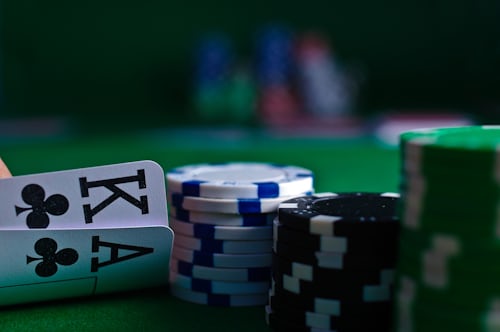
Furthermore, the physical layout of casinos is thoughtfully arranged to encourage a sense of immersion in the world of chance. Games are positioned to capture attention, drawing players in with the promise of excitement and potential rewards. High-stakes games are often located near entrances or popular dining areas, creating an environment where the thrill of luck feels just a moment away, continually motivating players to take their chance at winning. This strategic placement not only influences the behavior of players but also enhances the social aspect of gambling, as excitement can be contagious in such vibrant settings.
The incorporation of luck into casino marketing strategies is also significant. Promotional campaigns often highlight narratives of substantial winners, underscoring the potential for anyone to achieve life-changing wins. These stories amplify the excitement surrounding luck and typically lead to increased patronage and participation in games. By emphasizing the allure of luck and presenting it as an attainable dream, casinos effectively encourage individuals to engage with gambling as a source of excitement and adventure, thus fostering a vibrant gambling culture. This marketing approach capitalizes on the emotional connection players have with luck, making it a cornerstone of their business strategies.
Exploring Responsible Gambling Practices
Understanding the role of luck in gambling is crucial for promoting responsible gaming practices. Players must recognize that luck is inherently unpredictable and should not be viewed as a viable source of income. Responsible gambling entails setting limits on both spending and time, ensuring that players can enjoy the thrill without succumbing to the temptation of chasing luck at any cost. Establishing boundaries can help maintain a healthy relationship with gambling, allowing individuals to engage in the activity for enjoyment rather than financial gain.
Additionally, educating players about the odds and probabilities associated with various games can empower them to make informed decisions. When individuals grasp the inherent risks involved in gambling, they can approach the activity with a more balanced mindset, understanding that while luck may influence outcomes, it should never be the sole motivating factor for gambling. This awareness fosters a healthier relationship with gambling, focusing on enjoyment rather than desperation or loss. Knowledge about the gaming environment can help mitigate the psychological impacts of luck and enhance the overall experience.
Resources aimed at promoting responsible gambling are increasingly accessible, with organizations dedicated to helping individuals cultivate a healthy relationship with taking risks. These resources provide support, guidance, and tools to assist players in recognizing their gaming patterns and behaviors, which can help mitigate the risks associated with gambling. Ultimately, these practices emphasize that luck should remain an exciting yet unpredictable aspect of the gambling experience, rather than being viewed as a means to an end. By fostering a culture of responsibility, players can enjoy the thrilling world of gambling while minimizing the potential downsides.