


Understanding the psychological tricks that drive high-stakes gambling behavior
Understanding the psychological tricks that drive high-stakes gambling behavior
The Thrill of the Risk
High-stakes gambling inherently carries an element of risk, and this risk amplifies the thrill for many players. The adrenaline rush associated with placing large bets can heighten emotions, creating a compelling loop that encourages continued play. When individuals experience this heightened state of arousal, they often find themselves more willing to take risks, as the brain releases dopamine, a neurotransmitter linked to pleasure and reward. Many players enjoy the excitement of a fast payout casino that offers rapid access to their winnings.

This surge of dopamine not only boosts mood but also creates an addictive cycle where the thrill of winning feels exhilarating, while losses seem more bearable. Players may convince themselves that they are on the cusp of a big win, often ignoring the statistical realities of their odds. This psychological trick serves to perpetuate high-stakes gambling behavior, as players chase the high of that next potential jackpot.
Moreover, the unpredictability of gambling outcomes can further intensify this thrill. The element of chance, combined with the desire for reward, leads to a fascinating dance between risk and reward, creating an experience that many find difficult to resist. Understanding this dynamic is crucial for both players and those looking to provide support for gambling-related challenges.
The Illusion of Control
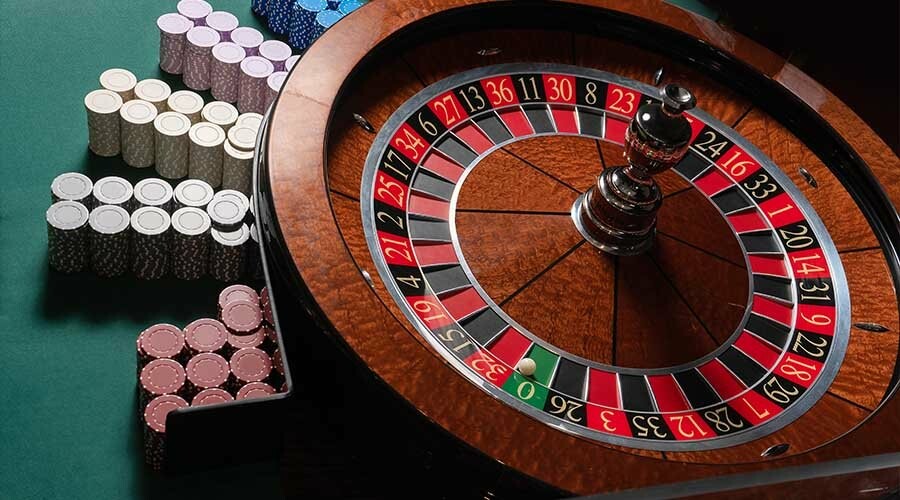
One of the most pervasive psychological tricks in high-stakes gambling is the illusion of control. Gamblers often overestimate their ability to influence outcomes, particularly in games involving skill. Even in games governed primarily by chance, such as slots or roulette, players may believe that their choices or strategies can sway the odds in their favor. This cognitive bias can lead to increased engagement and investment in the gambling experience.
This phenomenon is closely tied to the concept of “gambling fallacy,” where players attribute their wins or losses to personal skill or strategy rather than acknowledging the role of luck. This belief system can create a false sense of mastery over the game, prompting players to take bigger risks and continue gambling even in the face of repeated losses. By clinging to this illusion, they often ignore the realities of their situation, making it easier to justify ongoing high-stakes play.
Moreover, casinos are well aware of this psychological trick and often design their environments to reinforce it. For example, providing players with options to make choices, like selecting betting amounts or game types, enhances the feeling of control. Ultimately, understanding the psychological underpinnings of this illusion can help both players and those supporting them to navigate the complexities of high-stakes gambling behavior more effectively.
The Role of Social Proof
Social proof significantly influences high-stakes gambling behavior, as individuals often look to others to guide their actions. In the context of gambling, seeing others win can create a powerful urge to participate, fostering a sense of community and shared experience. This social validation encourages individuals to engage in higher stakes, often feeling emboldened by the successes of their peers.
Additionally, group dynamics can create an environment where risk-taking is normalized. Gamblers may feel pressure to match the stakes or even exceed them, driven by the desire to be part of the group and earn respect or admiration. This phenomenon can lead to collective behavior that amplifies risk, creating a dangerous cycle where individuals are propelled into higher-stakes situations than they might typically pursue alone.
Casinos capitalize on this psychological trick by creating social environments conducive to gambling, such as group tables or tournaments. These settings not only foster social interaction but also serve as breeding grounds for escalating wagers. By understanding the impact of social proof, players can become more aware of the external influences that shape their gambling decisions, leading to more informed choices.
The Impact of Loss Aversion
Loss aversion plays a critical role in high-stakes gambling, as individuals often feel the sting of a loss more intensely than the pleasure of a win. This psychological principle suggests that the pain of losing is disproportionately greater than the joy of gaining the same amount. Consequently, gamblers may chase losses, believing they can recover what they’ve lost, leading them to engage in increasingly high-stakes bets.
When players experience losses, they may enter a state of desperation, which compels them to take irrational risks in hopes of redemption. This mindset can trap individuals in a cycle of gambling, as they justify their behavior by focusing on recouping losses rather than making sound financial decisions. This cognitive bias often clouds judgment, making it challenging for gamblers to recognize when it is time to stop.
Furthermore, casinos strategically exploit this psychological aspect by providing enticing promotions or bonuses that create the illusion of potential gain. As players are drawn into these offers, their risk tolerance may increase, resulting in higher stakes. Understanding the mechanics of loss aversion is essential for players to navigate their gambling experiences responsibly and avoid falling into harmful cycles of risk-taking.
Finding the Best Gambling Experience Online
In today’s digital age, many players seek online gambling platforms that provide an engaging and responsible experience. Navigating through a myriad of options can be daunting, but it’s crucial to find a site that aligns with personal preferences, security, and responsible gambling practices. These platforms should prioritize player safety, offering transparent payout processes and efficient withdrawal systems.
Players benefit from researching the available casinos and reading expert reviews that highlight the pros and cons of each platform. Knowledge about factors like payout speed, the variety of games, and customer service can help individuals make informed decisions. Furthermore, many reputable casinos provide tools and resources for responsible gambling, promoting a healthy relationship with gaming.
Ultimately, understanding the psychological tricks that drive high-stakes gambling behavior empowers players to make better choices in their gambling pursuits. By choosing platforms that prioritize player welfare and provide a rewarding experience, individuals can enjoy the thrill of gambling while managing risks effectively and responsibly.


Leave a Reply